Rising tariffs, unpredictable power cuts, and a hot, sunny climate make Pakistan one of the best places in the world to embrace solar energy. For most homeowners, the question is no longer whether to switch, but how to do it properly so the system performs for decades. A well-planned solar setup can slash your bills, keep your home running through outages, and even add value to your property. Let’s look at everything that goes into a great solar investment.
Imagine watching your electricity meter slow down instead of racing ahead every month. For thousands of households across Pakistan that have already gone solar, that is simply everyday life. Rising grid tariffs, frequent outages, and abundant year-round sunshine have combined to make solar one of the best decisions a homeowner can make right now. In the sections below, we’ll cover how solar works, what it costs, how much you can save, and how to avoid the common pitfalls.
Lower Bills, Month After Month
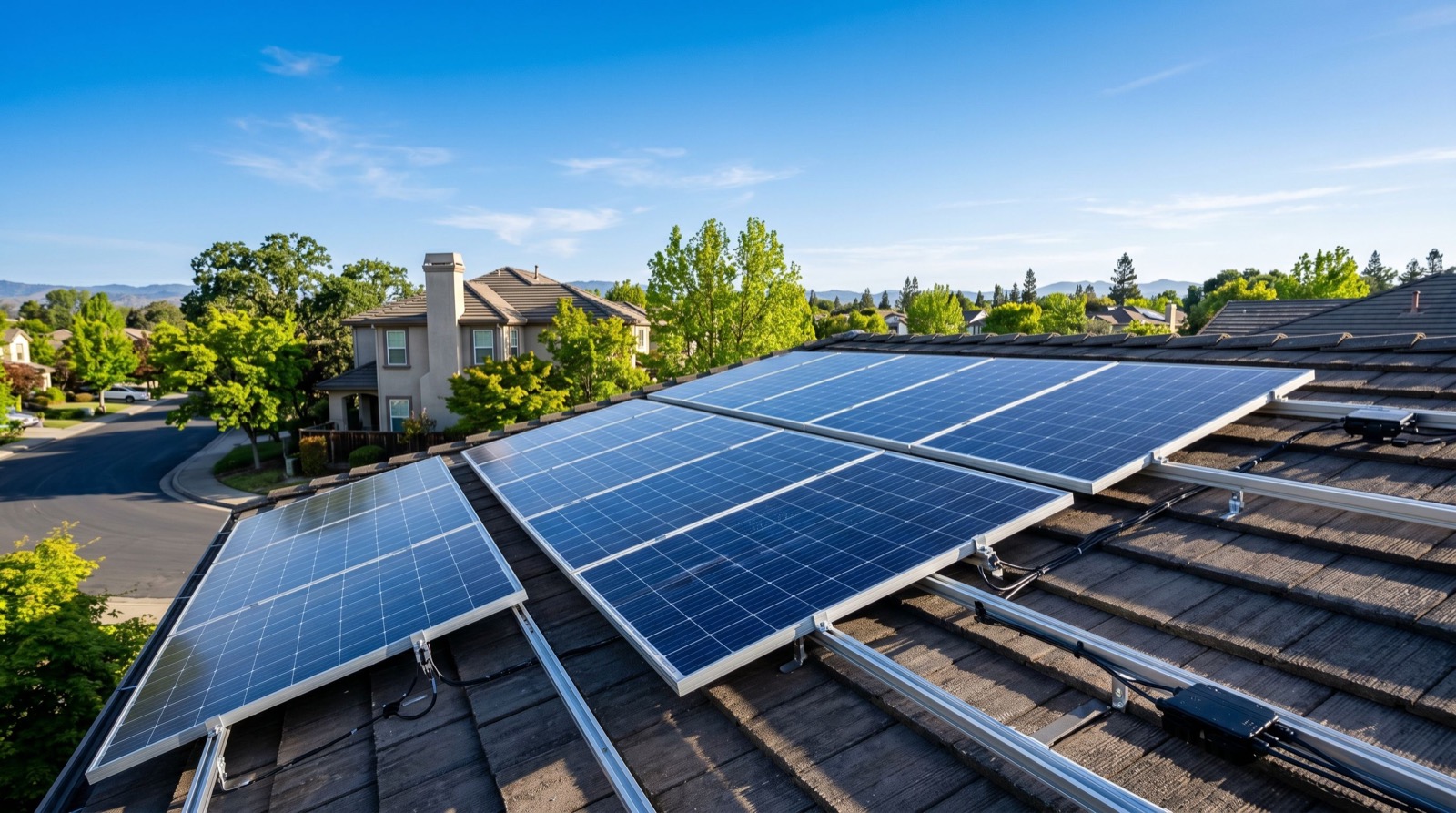
The most immediate and satisfying benefit of solar is the one you feel directly in your pocket. A properly sized system can offset a large share of your household’s monthly consumption, and with net metering you can even send surplus power back to the grid for credit. Instead of watching your bill climb every summer as the air conditioning runs, you watch it shrink. Over the twenty-five-year life of a quality system, those monthly savings compound into a very substantial sum – often several times the original cost of the installation.
Quality Equipment Matters
Not all panels and inverters are created equal, and this is where many homeowners are tempted to cut corners. Tier-one panels and reputable inverters cost a little more upfront, but they deliver higher output, longer warranties, and far fewer headaches over the decades you’ll own them. Cheap components may save you a small amount today, only to underperform, degrade quickly, or fail early – wiping out the savings you were chasing. Investing in proven equipment is the single best way to protect your long-term return. That’s exactly why it pays to work with a solar installation that knows the local market inside out.
Designed for Pakistan’s Climate
With long, sunny days for most of the year, Pakistan is almost tailor-made for solar generation. A system that is properly designed for local conditions – accounting for heat, dust, and seasonal sun angles – will reward you with strong, dependable output all year round. Good installers understand these local factors and build them into their design, choosing components and layouts that thrive in the environment rather than struggle against it. The result is a system that consistently produces more, giving you better savings and faster payback.
Backup You Can Count On
Battery technology has advanced enormously in recent years. Modern lithium batteries are compact, safe, long-lasting, and increasingly affordable, storing the sunshine you collect by day so your home stays powered after dark or during an outage. For households in areas with frequent load-shedding, adding storage transforms solar from a bill-reduction tool into a complete energy solution. You gain true peace of mind, knowing your essentials will keep running smoothly whatever happens with the grid – and that reassurance is difficult to put a price on. Reliable, experienced local expertise counts everywhere, including with trusted professionals.
Net Metering: Your Roof as a Power Plant
Net metering is one of the biggest reasons grid-tied solar pays off so quickly in Pakistan. It allows you to feed the surplus electricity your panels generate during the day back into the grid, earning credit for every unit. On bright, sunny days your meter effectively runs backward, banking energy that offsets what you draw at night. The result is that your roof becomes a small power plant, and the utility company becomes your battery – dramatically improving the economics of your whole system without any extra hardware.
On-Grid, Off-Grid or Hybrid?
There are three main types of solar systems, and choosing the right one is one of your most important decisions. On-grid systems are the most affordable and work alongside the utility, using net metering to offset your bills. Off-grid systems run completely independently with battery backup, ideal where the grid is unreliable or absent. Hybrid systems give you the best of both worlds – grid connection plus battery backup for outages. The right choice depends on your budget, your location, and how often your area loses power. If you’re ready to make the switch, finding the solar company in Kohat is the single most important step you can take.
Key Takeaways
- Lower Bills, Month After Month: The most immediate and satisfying benefit of solar is the one you feel directly in your pocket.
- Quality Equipment Matters: Not all panels and inverters are created equal, and this is where many homeowners are tempted to cut corners.
- Designed for Pakistan’s Climate: With long, sunny days for most of the year, Pakistan is almost tailor-made for solar generation.
- Backup You Can Count On: Battery technology has advanced enormously in recent years.
- Net Metering: Your Roof as a Power Plant: Net metering is one of the biggest reasons grid-tied solar pays off so quickly in Pakistan.
- On-Grid, Off-Grid or Hybrid?: There are three main types of solar systems, and choosing the right one is one of your most important decisions.
The Bottom Line
Going solar is one of the few decisions that keeps paying you back for decades. With the right system and the right team behind it, you can lower your bills dramatically, ride out the outages in comfort, and take real control of your household energy. As grid prices continue to climb, the value of that decision only grows.
At its heart, solar is about freedom – freedom from rising tariffs, from constant outages, and from the anxiety of the next bill. With a well-built system and a trustworthy partner guiding you, that freedom is well within reach. The sooner you start, the sooner your home begins generating its own clean, affordable energy.