The drive-thru lane is the profit engine of modern quick-service restaurants, and in 2026 it runs on far more than a speaker and a window. Headset communication, order-confirmation screens, timing sensors, and integrated point-of-sale now decide whether a lane serves 120 cars an hour or grinds to a crawl. This guide breaks down the technology behind high-performing drive-thru systems and how to specify one that pays for itself.
Why the Drive-Thru Is a Technology Battleground
Industry data shows drive-thru orders account for a large majority of QSR revenue in many markets, and every second of delay per car multiplies across thousands of daily transactions. A lane that trims 20 seconds off average service time can add several cars per hour during peak, which is real money over a year.
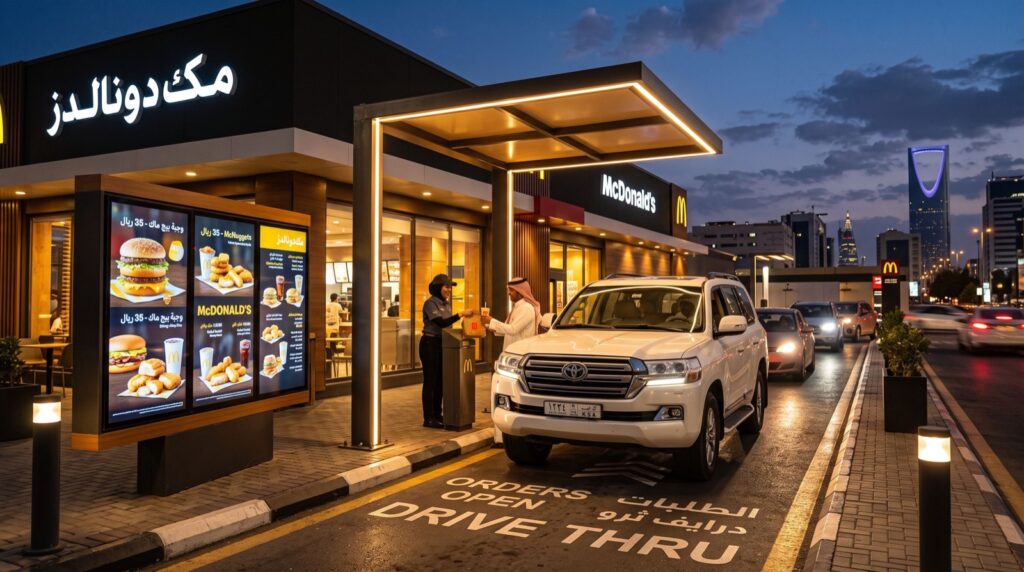
That is why operators expanding across the Gulf invest heavily in reliable equipment. A well-specified deployment of Drive-thru Systems in Saudi Arabia combines crisp two-way audio, digital menu boards, and vehicle-detection loops so staff greet each car instantly and orders flow without dead air or dropped connections.
The Cost of a Noisy, Unreliable Lane
Poor audio is the silent killer of drive-thru throughput. Every misheard order means a correction, a remake, or an unhappy customer. Weatherproof, noise-cancelling headsets and properly tuned base stations eliminate most of that friction before it starts.
Core Components of a High-Performance Drive-Thru
A complete lane is a system of parts working in sync. Miss one and throughput suffers. The essentials in 2026 include:
- Wireless headset system: clear duplex audio between the order taker and the customer.
- Vehicle detection loops: sensors that trigger greetings and measure timing automatically.
- Digital menu and confirmation boards: accurate, upsell-ready displays that reduce order errors.
- Timer and analytics: per-stage timing so managers coach staff on real bottlenecks.
- Network backbone: structured cabling and switching that keep every device in sync.
Comparing Single-Lane and Dual-Lane Setups
Choosing a lane layout is one of the biggest decisions. The right answer depends on land, footfall, and staffing. The table below summarises the trade-offs.
| Configuration | Best For | Throughput | Complexity |
|---|---|---|---|
| Single lane | Compact urban sites | Moderate | Low |
| Dual lane, merge | High-traffic highways | High | Medium |
| Tandem / side-by-side | Flagship stores | Very high | High |
Regional Buying Considerations
Extreme heat, dust, and high summer traffic shape equipment choices in the Gulf, so ruggedised outdoor hardware and reliable local support are non-negotiable. In Pakistan, the fast-growing QSR sector prioritises proven brand reliability and clear return on investment as chains expand into new cities.
Operators comparing options often look specifically at HME drive thru in pakistan because HME headset systems are an industry benchmark for audio clarity and durability, and pairing them with local installation and maintenance ensures the lane stays live even during the busiest weekend rushes.
A Practical Tip That Boosts Throughput
Position your confirmation screen so drivers see their order before the pay window, not after. Catching errors early prevents remakes at the collect window, which is where a single mistake stalls every car behind it. This one layout tweak often shaves meaningful seconds off average service time.
Integrating the Drive-Thru With Store Systems
The lane should not be an island. Modern deployments tie the headset base, menu boards, and timers into the store network alongside POS, cameras, and Wi-Fi. Standards-based cabling keeps it all reliable; the Telecommunications Industry Association publishes cabling guidance that is a sound baseline for any restaurant technology fit-out.
When you plan a new build or a refit, engage quality service providers who can coordinate civil works, cabling, and equipment installation so the technology is ready the day the lane opens.
Measuring Drive-Thru Performance
Once live, the timer data becomes your coaching tool. Track total service time, greet time, and window time separately. If greet time creeps up, it usually signals a staffing or headset issue; if window time spikes, it is often a kitchen bottleneck. Splitting the metrics tells you exactly where to act.
Common Drive-Thru Design Mistakes
Many underperforming lanes share the same avoidable flaws. The most common is a menu board placed too close to the speaker post, forcing drivers to decide and order in the same instant, which slows everything down. Give customers a preview board earlier in the lane so they arrive at the order point ready to speak.
Another mistake is skimping on the network. Wireless dead spots between the base station and headsets cause dropouts that staff learn to tolerate but customers never do. A proper site survey and structured cabling prevent that from day one.
Poor lighting and weather exposure at the order point also hurt. Drivers who cannot read a glare-washed menu board in bright sun place slower, less accurate orders. Anti-glare, high-brightness displays solve a surprising amount of lane friction.
A Quick Pre-Build Checklist
- Confirm lane length allows for a preview board before the order point.
- Run a wireless survey for headset coverage across the whole lane.
- Specify high-brightness, anti-glare menu and confirmation screens.
- Plan cabling and power for cameras, boards, and timers together.
- Rate all outdoor hardware for local heat and dust conditions.
The Future of the Drive-Thru
The lane of 2026 is getting smarter. AI-powered order taking, licence-plate recognition for loyalty customers, and dynamic menu boards that change by daypart are moving from pilots into mainstream rollouts. Predictive staffing tools now use historical timing data to schedule crews before the lunch rush hits.
Sustainability is rising on the agenda too, with operators managing idle-time and lane length to reduce emissions from waiting vehicles. When you invest today, choose modular systems with open interfaces so you can add these capabilities later without ripping out the core. Future-proofing the backbone is cheaper than replacing it.
Frequently Asked Questions
How much can a drive-thru system improve service speed?
Well-implemented audio, confirmation screens, and timers commonly cut average service time by 15 to 30 seconds per car. Across peak hours, that translates into several additional vehicles served each hour.
Do drive-thru headsets work reliably in extreme heat?
Yes, when you choose ruggedised, weather-rated equipment designed for outdoor use. Gulf operators should confirm the base station and headsets are rated for high ambient temperatures and dust exposure.
Can I add a second lane to an existing store?
Often, yes, subject to land and permits. A dual-lane merge boosts throughput significantly, but it requires additional cabling, detection loops, and menu boards, so plan the network capacity in advance.
What ongoing maintenance does a drive-thru system need?
Headset batteries, ear cushions, and speaker posts are the usual consumables. A local support contract ensures rapid replacement so the lane never goes silent during a rush.
Conclusion
In 2026, a fast, reliable drive-thru is engineered, not lucky. Clear audio, smart menu boards, accurate timers, and a solid network backbone combine to move more cars with fewer errors. Whether you operate across Saudi Arabia or are expanding QSR footprints in Pakistan, investing in the right drive-thru systems pays back quickly. Speak to an experienced telecom and IT partner to design a lane built for peak-hour speed.