If you want to buy solar panels in Pakistan in 2026, the hardest part is no longer finding stock — it is telling good hardware apart from the flood of grey-market modules and fake datasheets. Prices have dropped, choice has exploded, and a smart buyer can now build a system that pays for itself in a few years. But a careless purchase can leave you with underperforming panels and a warranty that means nothing.
This buyer’s guide walks you through what actually matters when you buy solar panels in Pakistan: panel technology, tier ratings, inverter matching, real warranties, and the paperwork that lets you export power. Read it before you spend a rupee, and you will avoid the mistakes that trap first-time buyers every year.
Understand panel types before you buy solar panels in Pakistan
Not all panels are equal. The technology on your roof determines how much energy you harvest per square metre and how the system performs on hot, hazy Pakistani afternoons. Get this choice right and everything downstream becomes easier.
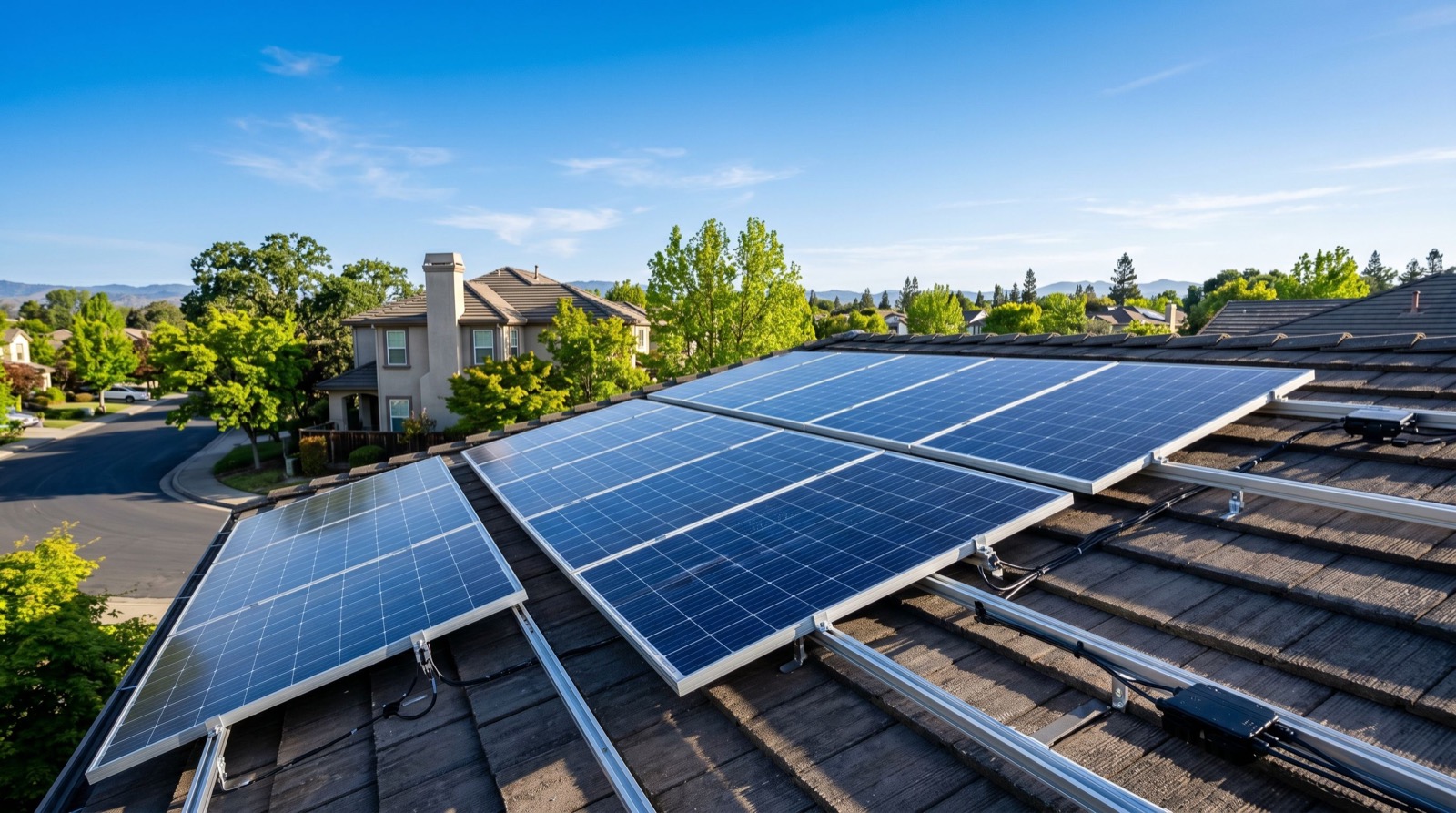
- Monocrystalline PERC — the current mainstream; efficient, affordable, and widely stocked.
- Mono TOPCon — newer cell tech with better low-light and high-temperature behaviour.
- Bifacial — captures reflected light on the rear side; excellent on white or light rooftops.
- Half-cut cell — reduces resistance losses and handles partial shade better than full-cell panels.
For most homes, half-cut monocrystalline or TOPCon bifacial panels in the 550–620 W class offer the best balance of price and yield in 2026. Avoid unbranded modules with no verifiable flash-test report.
How to read a panel datasheet without getting fooled
The datasheet is where honest sellers and shady ones separate. Focus on a handful of numbers rather than the marketing headline. A slightly lower wattage from a tier-1 maker beats an inflated figure on a no-name label.
| Spec | What it means | What to look for (2026) |
|---|---|---|
| Module efficiency | Energy captured per m² | 21%+ for premium mono/TOPCon |
| Temperature coefficient | Loss per °C above 25°C | Closer to −0.30%/°C is better |
| Product warranty | Build/defect cover | 12–15 years minimum |
| Performance warranty | Output guaranteed over time | ≥87% at year 25 (or ≥89% for TOPCon) |
| Bifaciality | Rear-side gain | 70%+ on quality bifacial |
Which brands are considered tier-1 in Pakistan?
Tier-1 refers to a bankability ranking, not quality alone, but it is a useful filter. Reputable manufacturers publish independent flash reports, honour warranties through local channels, and appear on the Approved Module List maintained by Pakistan’s Alternative Energy Development Board. You can verify certified equipment through the AEDB, the government body that oversees renewable-energy standards nationwide.
Match the inverter, or waste your panels
A great array behind a weak inverter is money wasted. The inverter converts DC to usable AC, manages the battery, and decides how cleanly your system rides through outages. Size it to your array and your goals, not just the lowest quote.
- Pick on-grid if you only want to slash bills via net metering.
- Pick hybrid if you want net metering plus battery backup — the most popular 2026 choice.
- Pick off-grid only where no grid connection exists.
- Ensure the inverter’s MPPT voltage window matches your panel strings.
- Confirm it supports the battery chemistry you plan to use (usually lithium LFP).
Buyers who purchase complete, matched kits report fewer commissioning headaches than those who source panels, inverter, and battery separately. When you buy solar panels in Pakistan as part of an engineered package, the components are already validated to work together.
The paperwork: warranties, net metering, and after-sales
A warranty is only as good as the company standing behind it. Ask who honours claims locally, how long replacements take, and whether workmanship is covered separately from the panel warranty. Get every promise in writing.
Net metering paperwork matters too. You need a compliant inverter, a bidirectional meter, and an application to your local DISCO. Installers with multi-city experience — for example those handling solar panels in Faisalabad — usually navigate this faster because they file these applications weekly. If you are still shortlisting vendors, this guide to reliable local experts is a helpful starting point.
Financing, incentives, and total cost of ownership
Think beyond the sticker price. The number that really matters is total cost of ownership over 25 years, and on that measure solar comfortably beats staying on the grid plus a generator. A cheap panel that fails in year six is far more expensive than a tier-1 module that runs for decades.
Financing options have widened in 2026. Several banks now offer green-energy loans, and many installers provide staged payment plans so you can spread the upfront cost. When you compare quotes, factor in warranty length, expected degradation, and after-sales support — not just the headline number.
- Cash purchase — lowest lifetime cost and fastest payback, if you have the capital.
- Bank green loan — spreads cost while savings begin from month one.
- Installer instalments — convenient staged payments tied to milestones.
- Net-metering credit — offsets bills continuously, improving cash flow.
Whichever route you choose, insist on a written quote that itemises panels, inverter, battery, mounting, wiring, and net-metering support separately. Transparent pricing is one of the clearest signs of a trustworthy solar company.
Common mistakes first-time buyers make
Even careful shoppers slip up. The most expensive errors are usually invisible until the system underperforms months later.
- Buying on price alone and ending up with grey-market panels and no real warranty.
- Undersizing the inverter, which clips output on sunny afternoons.
- Ignoring roof shading, orientation, and tilt during the survey.
- Skipping a lithium battery, then regretting it during load-shedding.
- Choosing an installer with no local reference jobs to inspect.
Frequently Asked Questions
How much does it cost to buy solar panels in Pakistan in 2026?
Panel prices have fallen sharply, so the panels are often the cheaper part of a system. A complete 5 kW grid-tied setup is far more affordable than in prior years, and adding a lithium battery raises the total but delivers full backup.
Should I buy panels and install them myself?
DIY is risky. Incorrect DC wiring, poor earthing, and mismatched strings create fire and warranty hazards. A certified installer protects both your safety and your manufacturer warranty.
How long do solar panels last?
Quality panels carry a 25-year performance warranty and typically keep producing beyond it at reduced output. Inverters last 8–12 years, and modern LFP batteries are rated for thousands of cycles.
Can I expand my system later?
Yes, if you plan ahead. Choose a hybrid inverter with spare capacity and headroom in your net-metering approval so you can add panels or batteries without replacing core hardware.
Conclusion
The smartest way to buy solar panels in Pakistan in 2026 is to shop by specification, not by sticker price. Verify tier-1 hardware and real warranties, match a proper hybrid inverter, sort your net-metering paperwork, and lean on an installer with a genuine local track record. Do that, and your panels will quietly pay you back for decades. Compare an engineered, warranty-backed package today and buy with confidence.